
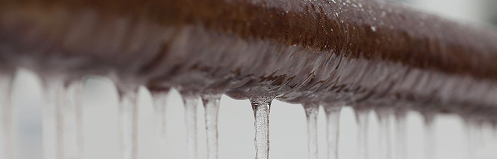
Do you have a frozen pipe in Austin? Are you concerned about what you should do if this happens? Frozen pipes pose a serious risk to your home and comfort, especially in the winter, when water is likely to freeze, causing your pipes to burst.In this short post, find out exactly what you should do to thaw a frozen pipe according to an Austin plumber, and discover where to get professional help when and if you need it.
What Causes Frozen Pipes
When water changes from a liquid to a solid, it expands by a small percent. The difference is small, but the effect it can have on the pipe can be catastrophic. By compressing the remaining water that’s already in the pipe, a pipe with some degree of ice-buildup can easily exert over 2,000 pounds per square inch of pressure on the pipe. That’s enough pressure to burst even the strongest of pipes, causing a leak that could flood your house along with it.
How To Thaw A Frozen Pipe
If you notice that one of your pipes is frozen, the first thing you should do is open all the faucet taps connected to the frozen pipe. This will allow you to determine when you’ve safely thawed the pipe, by gauging when water starts to freely flow through the tap. Next, you’ll want to apply some heat. If the pipe is inside your home, such as in a wall, turn on the heat and wait. If it’s under a sink, be sure to open up the cabinet below to help the heated air reach your pipe, as well.If your pipe is outside or exposed-such as in your basement or garage-try blowing hot air on it with a hair dryer. Place a cookie sheet behind it to help reflect the heat onto the adjacent side of the pipe. It’s also smart to start with the section closest to the faucet so when the water starts to flow, it runs out of the tap, instead of behind the clog. Short on hands? Portable space heaters are great for thawing pipes under cabinets or between walls, but be careful not to create a fire hazard and do not leave the area unattended. Electric heat tape-a ribbon-like wrap that plugs into the wall and wraps around pipes-can also be used to thaw pipes in hard to reach areas. Just be sure to keep eyes on these appliances as they’re heating the pipe.If you keep the heat going long enough, the ice inside the pipe will slowly melt, while causing the water inside it to flow freely through the tap, minimizing the pressure in your pipes. This should allow the water to circulate normally in a matter of minutes if not a few hours. Just remember to keep the heat on until the outside temperature gets above freezing to avoid another freeze. If you choose to try any of these methods to thaw frozen pipes, do not leave the area unattended while applying heat and waiting for pipes to melt. When the water starts flowing out of the faucets, make sure you check for other leaks and monitor the faucets that are open.
How To Prevent Your Pipes From Freezing in Austin